

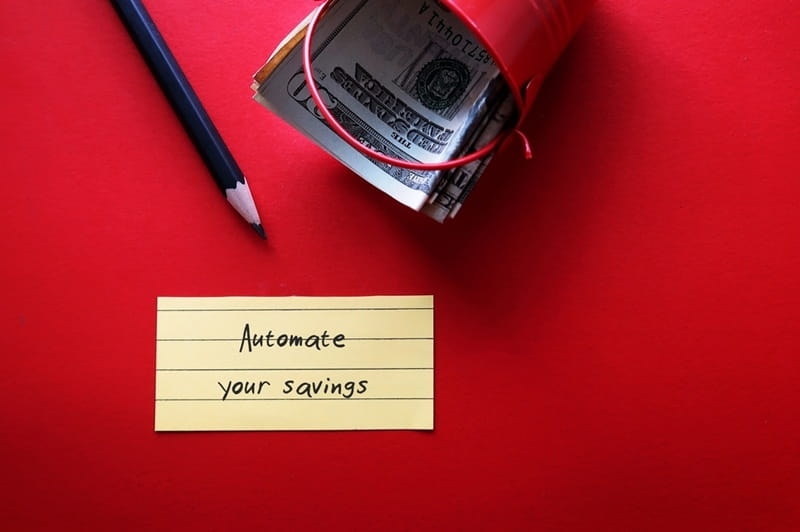
Automated savings removes the effort from saving money, which is why it works so well for many people. Here’s the thing. When saving depends on memory or mood, it often fails to work. Automated savings utilizes systems that move money discreetly, without requiring daily decisions. This method pairs naturally with automatic savings apps and digital savings tools that guide behavior in the background.
Within the first steps, automated savings become clearer when linked to hands-free saving and financial automation. What this really means is fewer excuses. Innovative savings systems help money grow while attention remains focused on daily life, rather than on numbers.
Manual saving may sound simple, but habits can break easily. Automated savings removes friction. Once set, the system continues to operate even on busy days.
Automated savings succeeds because it:
Automatic savings apps simplify this process by syncing with your accounts. Digital savings tools reinforce progress without pressure.
Automatic savings apps guide money movement based on rules. These rules may round up purchases or transfer fixed amounts on a regular basis.
Here’s the thing. Small transfers feel painless. Over time, they grow into meaningful savings.
Automatic savings apps reduce the need for discipline. That support naturally strengthens hands-free saving habits.
Digital savings tools do more than move money. They create awareness. Visual progress helps people stay motivated without stress.
Digital savings tools often include:
Automated savings works best when paired with clear feedback. Digital savings tools provide that clarity in simple ways.
Hands-free saving removes the constant decision-making. Money moves without daily effort, which lowers stress levels.
What this really means is mental space. When saving becomes automatic, energy stays focused on life, not finances.
Hands-free saving supports:
Automated savings make hands-free saving realistic for busy schedules.
Innovative savings systems adjust saving behavior based on activity. Some increase deposits when income rises. Others pause during tight months.
Let’s break it down. These systems react instead of waiting for instructions.
Innovative savings systems are better equipped to accommodate real-life changes than rigid plans.
Financial automation integrates savings, bills, and goals into a single flow. Automated savings plays a central role here.
Financial automation helps by:
Automated savings become stronger when linked to full financial automation. Systems work together instead of separately.
Starting automated savings does not require a significant income. Small beginnings work fine.
Popular starting methods include:
Automatic savings apps simplify setup. Digital savings tools clearly explain progress, which helps build confidence early.

Automated savings adapts to many goals. Emergency funds, travel plans, or education savings all benefit from this.
Hands-free saving helps because deposits continue even when motivation dips.
Goals supported include:
Innovative savings systems adjust timing and amounts as goals shift.
Automated savings works best when reviewed occasionally. Ignoring systems entirely can cause issues.
Common mistakes include:
Financial automation still needs light supervision. That balance keeps systems healthy.
Saving automatically often changes spending behavior. When money is first available, spending adjusts naturally.
Here’s the thing. People tend to spend what remains. Automated savings takes advantage of that habit.
Automatic savings apps encourage:
This shift happens quietly, without strict rules.
Not all automatic savings apps function the same way. Choice matters.
When selecting apps, consider the following:
Digital savings tools should feel simple, not heavy. Ease of use supports consistency.
Trust matters when money moves automatically. Digital savings tools rely on strong security systems.
Reliable tools offer:
Automated savings feel safer when transparency exists. Financial automation depends on trust.
The shared savings system enables families to save together while also allowing them to manage their savings automatically in accordance with their community's goals.
Families use shared savings for the following:
Without needing to constantly discuss family priorities, innovative savings systems allow families to align their goals with one another.
Life is not stagnant, and therefore, your systems should follow suit. Automated saving should be evaluated periodically.
When to make adjustments:
Maintaining flexibility with hands-free saving will ensure that your automated system remains successful.
Stability-building Financial Automation. Automated savings builds an "invisible" habit of saving.
Long-Term Benefits of Automation:
Digital savings tools facilitate this journey by leveraging technology rather than requiring a physical commitment of time and energy to save on an ongoing basis.
Automated savings is something everyone should consider, and here are some easy ways to set up automatic savings. To begin, review your bank account features. Some banks automatically transfer excess funds into a savings account. If this type of service is not available at your current bank, consider using a dedicated savings app. Ensure you research and compare app features before selecting one. Set aside $20 once a week into your savings account until you are comfortable with saving at that amount, and see if you even notice a difference in your spending habits. After that, research any online savings accounts that offer better interest rates than your current bank. To make saving part of your daily routine, it should be easy to do.
As a final thought, selecting the correct type of automated savings system is crucial. You will want to find the right app or software to ensure your process is simple and that saving money will not be a burden. When using financial automation, ensure that multiple accounts are linked for different purposes, so that when you reach a savings goal, you will have a sense of accomplishment.
Digital saving tools are helping you grow your wealth by using less of your time and effort. Automated savings tools and mobile banking applications utilize technology and automation to help you save money automatically, without having to manage it manually every day, thereby providing peace of mind and reducing the amount of money saved each month. Over time, using automated savings tools will create a habit, and you will become more confident and consistent with your saving habits, leading to increased financial stability and greater confidence in making economic decisions.
Yes, many automatic savings apps adjust based on your cash flow. They save more when you have extra and less when times are tight. This makes hands-free saving possible for freelancers or gig workers.
Absolutely. Legitimate tools use strong encryption and secure connections. They often have read-only access, meaning they can't make transactions without your approval. Always choose reputable providers.
A good rule is to save at least 10% of your income. But start with what you can afford. Even $5 a week adds up. The key is consistency, so set an amount that doesn't strain your budget.
Sure, you can combine different tools. For example, use round-up apps for spare change and direct deposit splits for larger amounts. Just keep track so you don't over-save and end up short on expenses.
This content was created by AI