


Grocery shopping used to be annoying in a normal way. Now it’s annoying in a “how did three bags cost that much?” way. Prices jump, snack cravings appear out of nowhere, and somehow the cart fills up even when the list was “just a few things.”
The good news is, most households can find real grocery savings without switching to bland meals or living on ramen. The trick is not extreme couponing. It’s small, repeatable systems that stop overspending, reduce waste, and make the store less of a budget ambush.
This guide walks through practical strategies that work in real life, even for busy people who don’t want to spend hours planning.
The most expensive grocery decision is walking into the store without a plan. That’s when the store decides for the shopper. End caps. “Limited time” signs. Bakery smells. The whole setup is designed to make people wander and add.
So the first move is simple: plan just enough to avoid wandering. This is where meal planning savings come from. It doesn’t require an overly detailed calendar. It just requires a basic idea of what the household will eat for the next few days.
A good starter plan is:
That’s enough structure to keep spending under control.
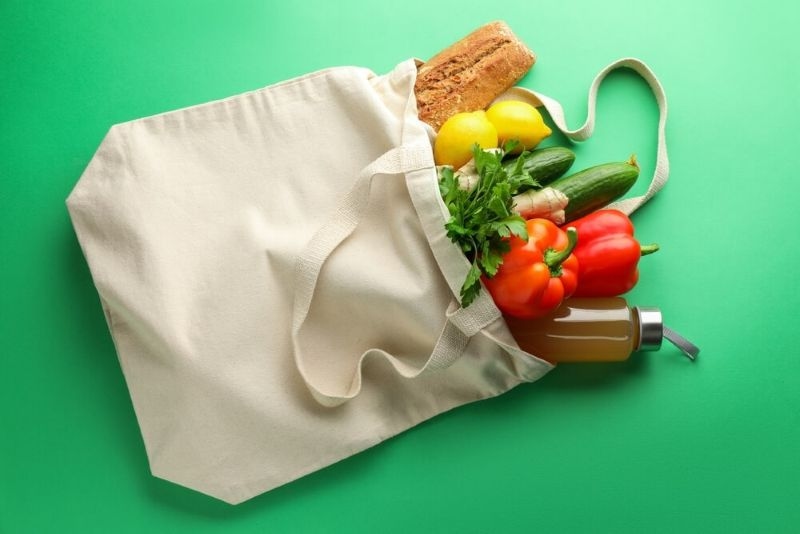
Most people make grocery lists like this: “milk, eggs, veggies, chicken.” That’s not a list. That’s a vibe. A budget-friendly list is specific. It’s also grouped by category so the shopper doesn’t bounce around the store grabbing extra “while I’m here” items.
A simple list format:
This is one of the easiest smart shopping habits to build. It reduces impulse buys because the shopper is focused. It also makes the trip faster, which helps. Longer trips usually cost more.
Also, write quantities. “Chicken” becomes “2 pounds chicken thighs.” That small detail prevents accidental overbuying, which is where food waste starts.
People save the most when they stop treating every meal like a brand-new event. A “cook once, eat twice” routine is one of the strongest food budget tips out there. It’s not glamorous, but it works.
Examples:
The goal is to create leftovers on purpose, not by accident. Leftovers also reduce temptation to order takeout. And takeout is usually where grocery savings go to die.
Not every store is good for everything. Some stores are great for produce but expensive for pantry staples. Others are perfect for bulk items but not worth it for a quick trip.
The simplest version of this strategy:
This is not about shopping at five places. It’s about knowing one backup store for specific categories. For many households, the biggest savings come from shifting staples. Rice, beans, oats, pasta, frozen vegetables, and store-brand basics often cost less without sacrificing quality. This is how people consistently reduce grocery bills without feeling like they’re “cutting back.”
Store brands are not what they used to be. Many are genuinely good now, and the price difference can be significant.
A smart approach is testing store brands on low-risk items first:
flour, sugar, canned beans, pasta, frozen veggies, paper goods
If the household likes it, keep it. If not, switch back. No shame. This one habit can create noticeable household savings over time because it reduces spending across items people buy repeatedly.
Snacks are where budgets get quietly wrecked. Not because snacks are evil. Because snack sections are built for impulse. The solution is not banning snacks. The solution is planning snacks. If snacks are on the list, the shopper doesn’t “discover” snacks in the store. They pick them intentionally. That’s a huge difference.
A budget-friendly snack strategy:
These are practical smart shopping habits that reduce overspending without making grocery shopping miserable.
Sales can save money, but they can also trick people into spending more.
The best rule:
Stocking up on pantry items during sales is smart. Stocking up on perishable items “because it’s a deal” often leads to waste. And waste is the enemy of grocery savings. Throwing out food is literally throwing out money.
People talk about “reducing waste” like it’s a moral mission. But for most households, it’s a budget issue.
The easiest waste reducers:
This is where meal planning savings becomes real. A plan prevents food from rotting in the back of the fridge while people claim “there’s nothing to eat.”
Complex rules don’t last. One simple rule often does.
A few examples:
This creates structure. And structure is the backbone of food budget tips that work long-term.
If someone wants a simple routine without overthinking it, this works:
Once a week:
It sounds basic. That’s the point. Basic systems beat complicated plans that no one follows. Do this for a month and most people will see a drop in spending. Not overnight. But steadily. That steady drop is what makes reduce grocery bills feel achievable instead of frustrating.
The goal is not to eat boring food. The goal is to stop spending money accidentally. When households plan just enough, buy staples intelligently, avoid impulse traps, and reduce waste, they build a grocery routine that supports bigger household savings without making food joyless.A good grocery budget still includes treats. It just includes them on purpose.
Planning helps the fastest. A simple meal plan and a specific list reduce impulse buys immediately. Pair that with buying store brands for staples and the savings show up quickly.
Yes, because it reduces waste and prevents random store trips. Even basic planning, like choosing three dinners and using shared ingredients, creates consistent meal planning savings.
Focus on routines that require minimal effort: shop once weekly, keep a repeat grocery list, cook once eat twice meals, and use frozen and pantry staples for quick options.
This content was created by AI