

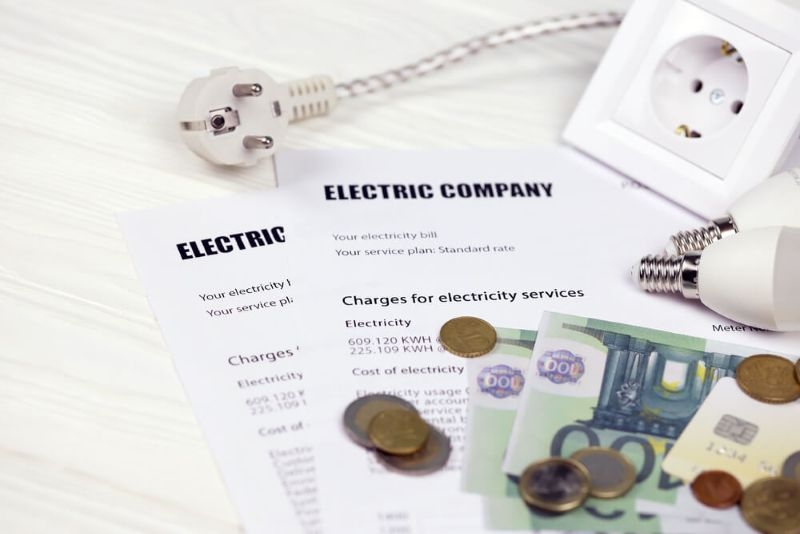
People love the idea of saving energy until it starts sounding like “sit in the dark and suffer.” That’s not the vibe. Most households don’t need extreme rules. They need small, repeatable habits that quietly stop money from leaking out of the walls, vents, and appliances.
That’s what this guide is about. Simple energy saving tips that feel normal, not restrictive. The kind that help reduce waste and still keep life comfortable. Because saving energy shouldn’t feel like punishment. It should feel like being slightly smarter than the bill.
The best habits are the ones people don’t have to psych themselves up to do. If a tip requires a whole new lifestyle, it probably won’t last. But if it takes 10 seconds and becomes automatic, it sticks. And those small moves add up to lower utility bills faster than most people expect.
This blog focuses on the habits with the highest “effort-to-impact” payoff, meaning they are simple, but they actually matter.
Most homes burn the most energy on heating and cooling. Not always because the system is bad, but because the home leaks conditioned air like a sieve. Here’s the quick reality check: if the home is drafty, the HVAC is doing overtime. That’s not comfort. That’s wasted money.
A few habits help immediately:
This is a simple form of home energy efficiency that doesn’t require any renovation. It’s mostly behavior.
If someone wants one “easy upgrade,” a programmable thermostat schedule helps too. Not because it’s fancy, but because it prevents the classic mistake: heating or cooling an empty house.
Drafts are sneaky. A home can look sealed and still leak air from tiny gaps around windows, doors, and attic access points. A simple habit is doing a quick draft check once each season. It takes maybe five minutes. Stand near doors and windows on a windy day and feel for airflow. If there’s a draft, seal it.
Weather stripping and door sweeps are cheap fixes. They also make a home feel more comfortable, not less. And yes, comfort matters. People are more likely to stick to energy habits when the home feels better, not worse. That’s how you get sustainable savings instead of short-term efforts that fade.
Big appliances get all the attention, but small ones add up because they run constantly or get used daily.
Here are habits that reduce waste without drama:
That last one surprises people. Many devices draw power even when “off.” It’s like a slow drip in the budget.
This is where power cost reduction becomes realistic. It’s not one huge change. It’s a bunch of tiny choices that stop the drip.
Lighting is not the biggest energy expense in most homes, but it’s the easiest to improve fast.
Switching to LED bulbs is the obvious move, but habits matter too:
A fun trick: keep brighter bulbs in task areas and softer bulbs in relaxation spaces. People tend to leave comfortable lighting on longer, so it helps to make “comfortable” also “efficient.”
Kitchen habits can help, especially for households that cook often.
Simple shifts:
None of this changes what people eat. It just reduces wasted heat and time. That’s a win.
And if someone is watching the budget closely, these small choices contribute to monthly expense cuts in a way that feels painless.
Water heating is often a quiet chunk of the utility bill, and people rarely think about it until the bill shows up angry.
Habits that help without making showers miserable:
Another smart habit: avoid leaving hot water running while doing dishes. Fill a basin instead. It sounds old-school, but it works.
This is one of those areas where energy saving tips can turn into real savings quickly because hot water costs more than people realize.
Some utility companies charge more during peak hours. If that’s the case, shifting heavy usage can help.
Examples:
This doesn’t require using less energy. It requires using energy at smarter times. That’s a sneaky way to get lower utility bills without changing comfort.
Here’s the thing. People don’t need to become energy monks. They need to become consistent.
A good approach is choosing three habits and sticking to them for a month. Not ten. Three. Once those become normal, add another. That’s how home energy efficiency becomes a lifestyle without feeling like a lifestyle.
Also, it helps to track the bill for a few months. Not obsessively. Just enough to notice patterns. When people see progress, they keep going. That’s the heart of sustainable savings. Not one perfect month. A long streak of “pretty good” months.
If someone wants a low-effort routine, this works:
Weekly:
Monthly:
Those two check-ins help people maintain power cost reduction without turning it into a hobby.
The best energy habits don’t feel like sacrifice. They feel like control. The home stays comfortable, the bill drops, and people stop feeling like utilities are a mysterious money trap. And once those habits become normal, the savings become normal too. That’s where monthly expense cuts start to feel like free money.
The fastest wins usually come from heating and cooling habits, sealing drafts, adjusting thermostat settings slightly, and reducing hot water waste. Those areas often have the biggest impact.
It can. Many devices draw standby power even when off. Using power strips for entertainment setups and unplugging rarely used chargers can reduce waste over time.
Focus on easy habits that don’t change lifestyle: seal drafts, use thermostat schedules, run full loads, switch to LEDs, and reduce hot water waste. The goal is efficiency, not discomfort.
This content was created by AI