


Life doesn’t really care about your plans. One minute everything’s fine, and the next, you’re blindsided—maybe you get laid off, someone you love ends up in the hospital, or the economy just takes a nosedive. Just like that, your budget doesn’t stand a chance. That’s when an emergency fund stops being a “maybe” and turns into something you absolutely need.
It gives you breathing room when you’re hit with something unexpected, so a surprise expense doesn’t turn into a long-term mess. This guide walks you through valuable emergency savings tips, sets goals you can actually reach, and develops the habit of being prepared for the unexpected.
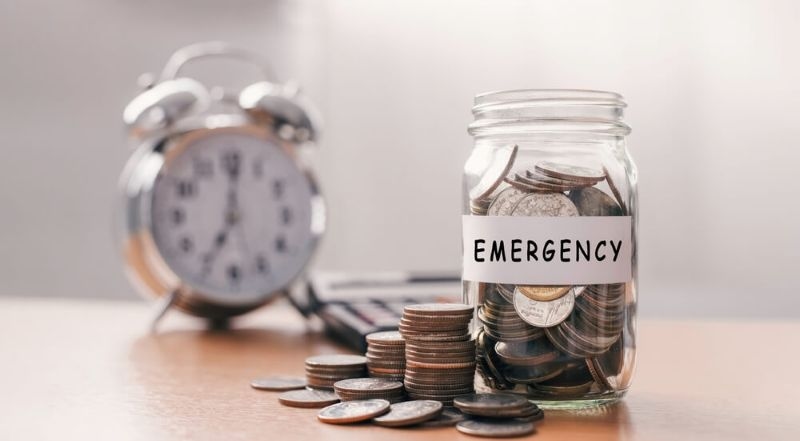
When life doesn’t stick to the script, your emergency fund steps in. Maybe your car suddenly breaks down, you get hit with a big medical bill, or your paycheck stops coming. Without some savings to back you up, you’re left scrambling—usually reaching for credit cards or loans that only make things worse in the long run.
Jobs just aren’t as secure as they used to be. More people work freelance, bounce between contracts, or see their industries change overnight. That’s why it’s so important to opt for income loss planning. A solid fund for emergencies means you can keep paying the bills while you figure out your next move. It’s not just about the money, either. Knowing you have a cushion takes a huge weight off your shoulders and lets you focus on the real problem, not just the panic.
The answer really depends on your life—your job, your bills, your family. Most experts say you should aim for three to six months of essential expenses. That usually covers things like rent or mortgage, utilities, groceries, transportation, insurance, and minimum debt payments. Just add up the basics, then multiply by three to six to find your target.
If that number feels impossible, don’t get discouraged. Break it down. Aim for one month first. Small wins count. Hitting those little goals keeps you going and makes your emergency fund a bit stronger each time.
You don’t need to overhaul your whole life or give up the things you enjoy. Just take it one step at a time. Just start putting away a bit of money, and stick with it.
Every bit adds up. Every time you add to your savings, your financial safety net gets a little sturdier. You start to feel more ready for whatever comes your way. Sure, it can seem slow in the beginning, but those small moves add up. Before you know it, you’ve built up some real momentum.
You want your fund for emergencies somewhere safe and easy to reach, but not so easy that you’re tempted to dip into it for non-emergencies. Most people pick a high-yield savings account. You can get your money out quickly if you need it, and you earn a little interest on the side.
Don’t park your funds for emergencies in the stock market or anything risky. When the economy takes a hit, you’ll want that money safe and ready—not tied up or shrinking. Keeping it in a separate account also helps you stay disciplined and resist the urge to spend it.
A lot of people accidentally sabotage their emergency fund without realizing it. The biggest mistake is using it for things that aren’t emergencies. No matter how tempting, don’t tap into it for vacations, shopping sprees, or anything you planned ahead of time.
Another pitfall is stopping once you hit your initial goal. Costs go up, life changes, and you’ll need to keep saving to stay protected. Make a habit of checking in on your fund and adjusting your target as needed. Keep saving, and keep your financial safety net strong. It’s worth it.
Life never really stands still, and your fund for emergencies shouldn’t either. When you take on new responsibilities, your rent goes up, or your family grows, you just need more stashed away. Checking in on your savings every year keeps your financial safety net up to date with what’s actually happening in your life.
So, take a look at your must-have expenses once a year. If you’re earning more or your bills creep up, bump up your savings too. Big life events? Update your short-term savings goals. And don’t stop making regular deposits—it’s all about staying ready for whatever comes your way.
Keep tweaking things as you go. It’s what keeps your emergency fund strong, and it’s a big help if you ever face a stretch without income, especially when the economy feels shaky.
It’s not always easy to juggle building your emergency fund with paying off debt, investing, or just wanting to enjoy your earnings. But honestly, emergency savings should sit at the top of the list. Without that cushion, one surprise expense can wipe out your progress everywhere else.
When you’ve got a solid safety net, chasing bigger goals feels a lot less risky. Once you’ve got your fund for emergencies in place, you can invest without worrying you’ll need to cash out early if something goes wrong. Emergency savings team up with your insurance, too, covering what insurance doesn’t touch and giving you more control over your finances.
Saving for emergencies can feel slow—sometimes painfully slow. It helps to track your milestones. Every time you hit a short-term goal, it’s proof that your plan works.
Don’t forget why you’re doing all this. That fund means you’re ready, you’ve got options, and you don’t have to panic when things go sideways. Check your progress each month and stick with the simple savings tricks that work for you. Over time, those little wins add up to a real, dependable safety net.
An emergency fund is the key to financial stability when things are uncertain. It will keep you safe from unforeseen expenses, help you plan for income loss in an effective way, and make you less dependent on debt.
In fact, if you keep up with stock, emergency savings tips, make short-term savings goals for the short run, and be ready to spend money as little as possible, you will have a solid, come-first safety net for yourself and your family.
Start now. Even putting away small amounts helps you get in the habit and sets you up with early wins.
It’s a solid start, but aim for three to six months if you want real security.
Definitely, keeping it separate stops you from dipping into it for everyday spending and keeps your emergency plan on track.
Yes. Insurance doesn’t cover everything. Your fund for emergencies takes care of those gaps and gives you faster access when you need it.
This content was created by AI