

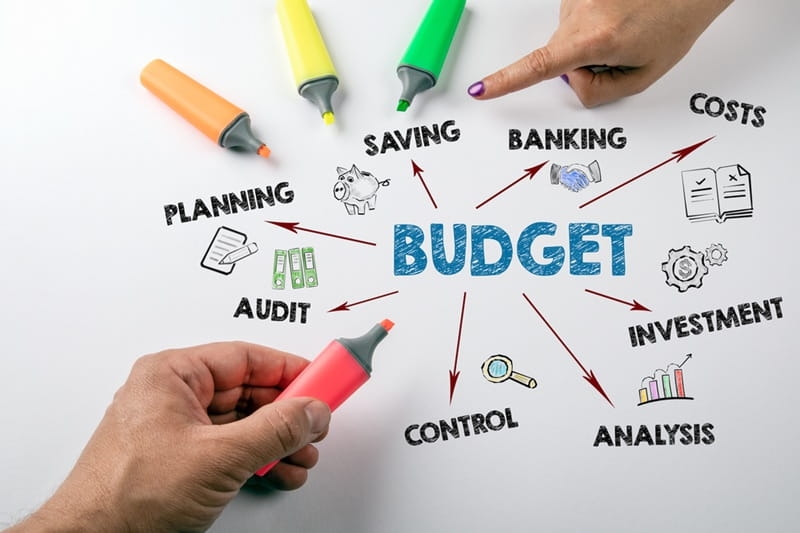
You can completely manage your finances without feeling overwhelmed or restricted. Many people suffer from financial stress because they are unable to see the structured way in which their money comes in, as they lack a clear and established structure for managing their finances. The solution is to utilize proven budget techniques. Once you understand how different budgeting techniques work and how to use them effectively in your everyday life, you will develop clarity, control, and confidence in managing your financial situation.
This Financial Planning Guide will introduce you to a variety of proven budgeting techniques that can be easily integrated into creating monthly budgets, setting up a monthly expense-tracking system, assisting with family budgeting, and helping you determine which personal finance tools can aid in achieving your financial goals.
Whether you are new to managing your finances or have been managing your finances for a while, this Financial Planning Guide will assist you in creating an effective financial system that works.
If you ever question where your money goes each month, you are not alone. You may have a good income, but without a plan for how to spend it, you may find you are living paycheck to paycheck. That is why financial budgeting methods are crucial to achieving a healthy financial future.
When done correctly, these budgeting techniques will help you with monthly budgeting and tracking expenses, assist you in developing better saving habits, and alleviate any stress related to money. The initial steps to creating a successful financial budget include using personal finance software, tracking and monitoring your expenses, and remaining consistent and honest with yourself throughout the process.
Budgeting techniques help you organize your money, income, expenses, savings, and future financial goals using a systematic approach, rather than reacting to your spending habits. Budgeting techniques provide a roadmap to assist you in managing your finances and will empower you to achieve:
Control of your spending, instead of just reacting to it.
At the heart of a budgeting technique are three basic building blocks of good money management: a Monthly budgetary plan, Self-Discipline, and Awareness.
Not all budgeting methods work equally well for everyone. Types of income, lifestyle, and obligations, especially when budgeting as a family, all play a role in how you prioritize your budget.
This is one of the most commonly used budget methods for new budgeters.
This budgeting method enables individuals to easily create a monthly budget while reinforcing the basic principles of managing their finances. Digital budgeting applications have been successful with users who use this method.
When using a zero-based budgeting system, every dollar earned has a distinct purpose (your income should equal the sum of your expenses). You also treat savings and debt payments as part of your monthly budget.
For those seeking to pay off debt quickly or save aggressively, this method offers disciplined financial management. Advanced expense tracking tips will complement this type of budgeting system.
Envelope budgeting methods involve placing cash into separate envelopes for each spending category (e.g., groceries, clothing, etc.). Although it may seem old-fashioned, envelope budgeting is a great way to track your discretionary spending without overspending. Today, many digital budget software programs include digital envelope tracking.
In this approach, you prioritize saving first; this is a key point. You make savings before paying bills, and then pay your bills with the money remaining after saving. This approach is particularly useful for individuals who struggle to adhere to a monthly budget and seek to enhance their financial management skills.
Consistent monthly budget planning is essential for the long-term success of any budgeting method. Every budgeting method, regardless of type, needs an individualised and consistently planned monthly budget to allow for changes/updates in ways that meet your changing needs (revenue streams, expenditures, and goals).
Furthermore, pairing monthly budgeting with expense tracking strategies changes the nature of budgeting from reactive to proactive.

Expense tracking is not about putting yourself in a box (restricting yourself), but rather about being aware of where your money goes each month. The following expense tracking strategies will improve all types of budgeting methods:
The above expense tracking strategies will support and reinforce the fundamentals of good money management, helping to prevent small leaks from becoming larger problems.
Families face many hurdles when creating a budget due to shared expenses, including daycare, education, and planning for the future.
The main principles include the following:
Zero-based and envelope are usually the preferred methods of budgeting for families as they provide a clear structure for tracking expenses monthly.
Before mastering advanced methods of budgeting, everyone should be aware of the following:
These principles form the foundation of all effective budgeting methods, providing a solid foundation for long-term success.
The application of technology to budgeting has led to a shift in the way people budget. Personal finance technologies available today help create monthly budgets, track expenses automatically, and provide up-to-date expense tracking with greater accuracy than ever before.
Some standard features that are offered by personal finance applications include:
Using personal finance applications can improve the accuracy and consistency of all budget types.
Common mistakes in budgeting have the potential to undermine even the most effective budget systems. Common mistakes include:
By addressing these common mistakes, individuals are better equipped to manage their money and maintain sound personal finance management practices that last in the long term.
You should consider the following when deciding on a budgeting method for your specific situation:
Generally speaking, the most effective budgeting method is the one that aligns with your current financial habits. By utilizing multiple approaches to create consistent monthly budgets, you will achieve maximum success.
Whether or not you find a specific approach that works for you financially, a budgeting plan based on structured monthly guidelines, simple tracking of spending habits as they occur, creating budget plans specifically geared toward families and parents, implementing modern personal finance technologies and apps, and adopting solid money management fundamentals will enable you to establish a structured workflow for your finances that can evolve along with your circumstances.
The best way to achieve financial transparency is to take small steps and remain committed, even when changes occur. Achieving financial clarity doesn't mean achieving financial perfection; it simply means making continuous improvements toward creating a solid financial foundation to build upon.
The best beginner budgeting methods are the 50/30/20 rule and the “Pay Yourself First” budgeting method, as they make monthly budgeting simple and easy to understand while also teaching the basic principles of money management.
Monthly budgets should be reviewed at least once a month to make any necessary adjustments to expenses, monitor progress toward financial goals, and improve overall budgeting performance.
Although they are not required, financial tools provide an easier means for tracking your spending and maintaining consistency when using multiple budgeting approaches.
The zero-based budget and envelope budgeting methods are adequate for families because they establish a clear, easy-to-follow system of shared accountability, help keep daily expenses on track, and provide both partners with appropriate visibility into their joint finances.
Most people develop adequate money management skills after two to three months if they consistently use a monthly budget and expense tracking techniques.
This content was created by AI